Every expecting parent walks the same tightrope: a name distinctive enough to feel special, but not so unusual that your child spends life spelling it out. The good news — the space between "Emma" and "Xylophone" is enormous, and most of it is unexplored.
The richest source of names that are unique in your country but proven elsewhere: other cultures' classics. A name that is timeless in Italy, Persia or Ireland is often fresh, pronounceable and meaningful abroad.
Where the good unique names hide
- International classics: top-50 names from other countries that are rare in yours — familiar sounds, fresh feel.
- Vintage revivals: names two generations back (great-grandparent era) cycle back as distinctive-but-rooted.
- Nature and virtue names beyond the common ones: past Willow and Grace lie hundreds of underused gems.
- Meaning-first discovery: pick the meaning ("light", "strong", "gift"), then browse names carrying it across cultures.
The 4 tests a unique name must pass
- 1The pronunciation test: can a stranger say it correctly from the spelling on the first try?
- 2The playground test: does it shout well, shorten acceptably, and survive rhyming?
- 3The CV test: will it read professionally on a job application in 25 years?
- 4The meaning test: does the origin story make you prouder of the name, not defensive about it?

How to discover unique names with BabyName
- 1
Filter by origin
Explore curated names from dozens of countries and cultures — the fastest route to distinctive-yet-proven.
- 2
Read the meanings
Every name card shows meaning and origin, so you fall in love with the story, not just the sound.
- 3
Swipe wide
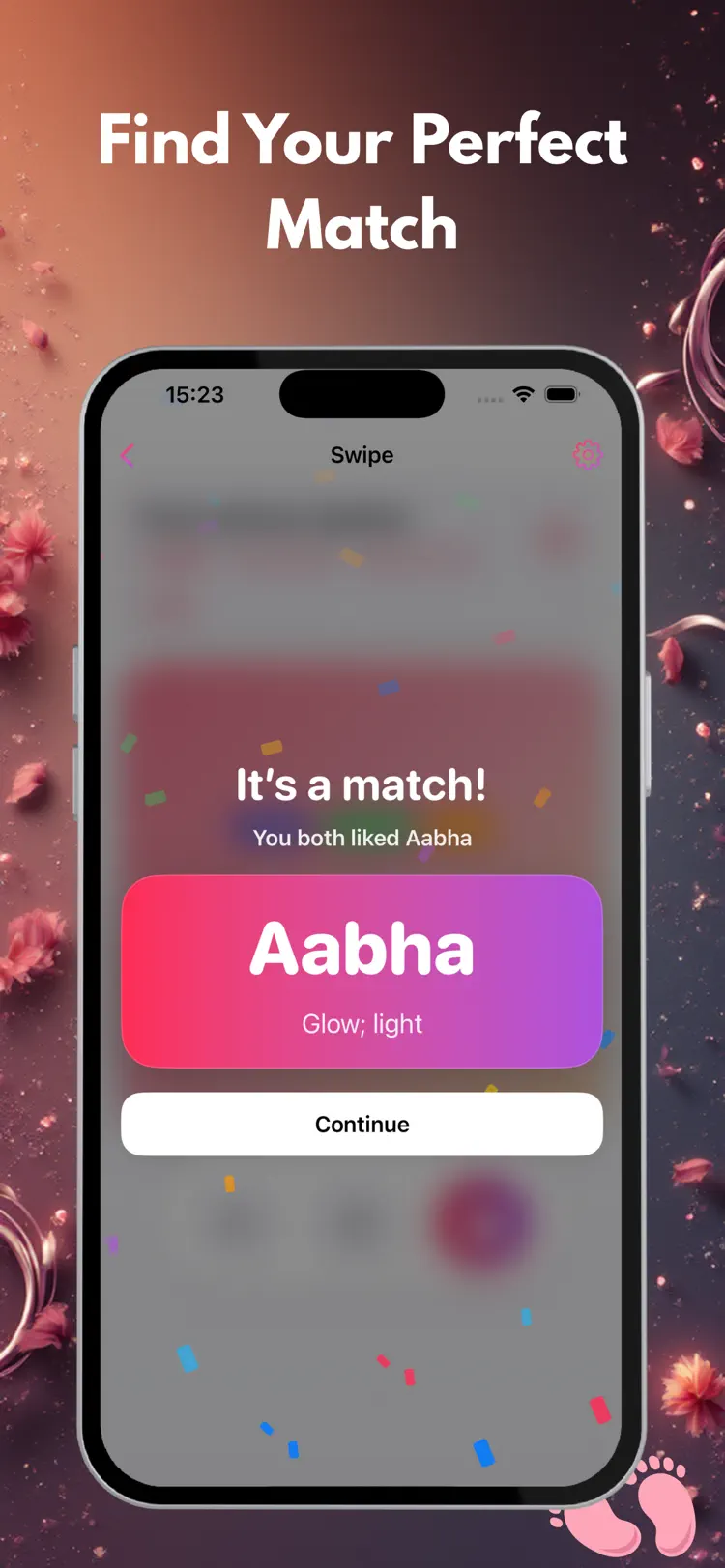
The swipe format makes exploring a thousand rare names painless — no list fatigue.
- 4
Let your partner verify
A unique name only works if you both love it — matches confirm your discovery passes the partner test instantly.

Free to download on iPhone & iPad
Frequently asked questions
How unique is too unique?
If a name fails the pronunciation or CV test, it crosses from distinctive to burdensome. Unusual spelling of a common name ("Emmaleigh") usually costs more than it adds.
Are meanings really important?
They become important: kids ask what their name means, and a strong answer ("light", "beloved", "victory") is a small lifelong gift.