 Lesen Lab
 Einbürgerungstest 2026
 CV Maker
 DoseBuddy
 MacroMora
 BabyName
 ABC Tracing
 Football Planner 2026
 KennzeichenSammler
 SchreibCoach
 Amtsbrief AI
 Vorfahrt üben 3D
 Hundeführerschein
 MünzCheck
 ParkSpot
 Hush
Hush PortionPal
 Little Genius
 AirFryer Chef
 CoupleGoals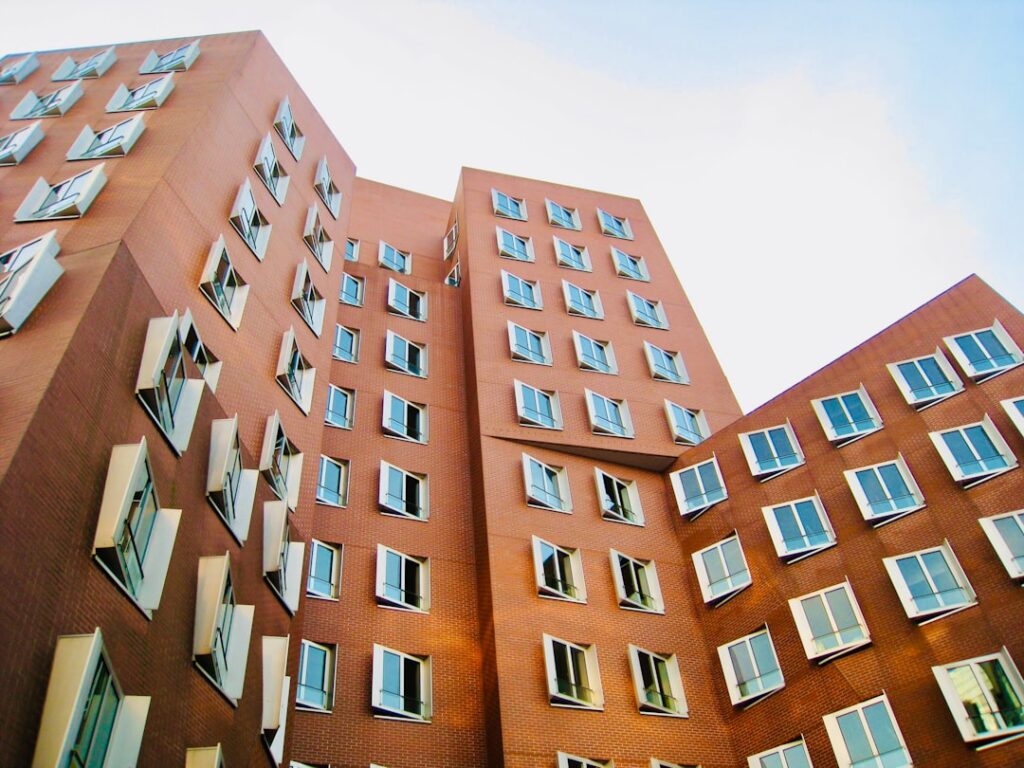
Finding Your Home: Types of Student Accommodation in Germany Explained
Securing accommodation is a crucial step when planning your studies in Germany. Understanding the different types of student accommodation in Germany: dorms, WG, private flats explained is key to making the right choice for your budget and lifestyle. Let’s explore the most common options and what they entail.
Student Dormitories (Studentenwohnheim): A Popular Choice
Student dormitories, or Studentenwohnheime, are often the most affordable and popular option, especially for international students. They’re usually managed by the Studentenwerk (student services organization) of each university.
What to Expect in a Student Dorm
- Single Rooms: You’ll typically have your own furnished room.
- Shared Facilities: Kitchens and bathrooms are generally shared with other students.
- Social Atmosphere: Dorms provide a great opportunity to meet other students and integrate into university life.
- Lower Costs: Rent is usually significantly lower than private accommodation.
How to Apply for a Dorm Room
Applying for a dorm room usually involves submitting an application to the Studentenwerk. Application deadlines can be strict, so applying early is highly recommended. Be prepared to provide your university enrollment confirmation and other relevant documents.
Shared Flats (Wohngemeinschaft or WG): Living with Roommates
A Wohngemeinschaft, or WG, is a shared apartment where you live with other students or young professionals. WGs are a fantastic way to experience German culture and build connections.
Benefits of Living in a WG
- Shared Costs: Rent and utilities are split among the roommates, making it more affordable than a private apartment.
- Social Interaction: Living with others can combat loneliness and offer a built-in support system.
- German Language Practice: If you live with German speakers, it’s a great opportunity to improve your language skills.
Finding a WG Room
Websites like WG-Gesucht.de and Studenten-WG.de are popular platforms for finding WG rooms. The application process usually involves attending a Casting where you meet the potential roommates and introduce yourself. Be prepared to talk about your lifestyle and why you’d be a good fit for the WG.
Private Apartments (Eigene Wohnung): Your Own Space
Renting a private apartment offers the most independence and privacy. However, it’s also typically the most expensive option.
What to Consider with Private Flats
- Higher Costs: Rent, utilities, and internet are your sole responsibility.
- More Responsibility: You’ll need to handle all aspects of the apartment, including cleaning and maintenance.
- Greater Independence: You have complete control over your living space and schedule.
Finding a Private Apartment
Websites like Immobilienscout24.de and Immowelt.de are good resources for finding private apartments. Be prepared to provide proof of income, a credit check (Schufa-Auskunft), and a copy of your passport. Competition for apartments can be fierce, so being proactive is key.
Tips for Finding Accommodation in Germany
Finding student housing in Germany can be competitive, especially in popular university cities. Here are some tips to increase your chances of success:
- Start Early: Begin your search well in advance of your arrival.
- Be Flexible: Consider different neighborhoods and types of accommodation.
- Network: Ask your university’s international office or student associations for assistance.
- Be Prepared: Have all necessary documents ready to submit with your application.
Making Your Choice: Which Accommodation is Right for You?
The best types of student accommodation in Germany: dorms, WG, private flats explained will depend on your individual needs and preferences. Consider your budget, desired level of independence, and social preferences when making your decision. Good luck with your search!
Frequently Asked Questions
Quick answers to the most common questions readers ask.
How early should I start looking for accommodation in Germany?+
It’s best to start your search as early as possible, ideally several months before your planned arrival. Popular student cities have high demand, so early applications increase your chances. Start looking at least 3-6 months in advance.
What is a ‘Kaution’ and why do I need to pay it?+
The ‘Kaution’ is a security deposit, usually equivalent to 1-3 months’ rent, that you pay when renting an apartment or room in Germany. It protects the landlord against damages to the property or unpaid rent. You’ll get it back when you move out, provided the property is in good condition.
What documents do I need to apply for accommodation in Germany?+
You’ll typically need a copy of your passport, proof of enrollment at a German university, and potentially a credit check (Schufa-Auskunft). Landlords or the Studentenwerk may also request proof of income or a guarantor if you don’t have sufficient funds.
Turn this guide into an application plan
Use German Path to search programs, build your CV, draft motivation letters, and unlock Pro features when you need more AI credits.
Never miss a German application deadline
Get the intake calendar for winter and summer semesters — every major deadline, in one email. Free, no account needed.
No spam. Unsubscribe any time.